

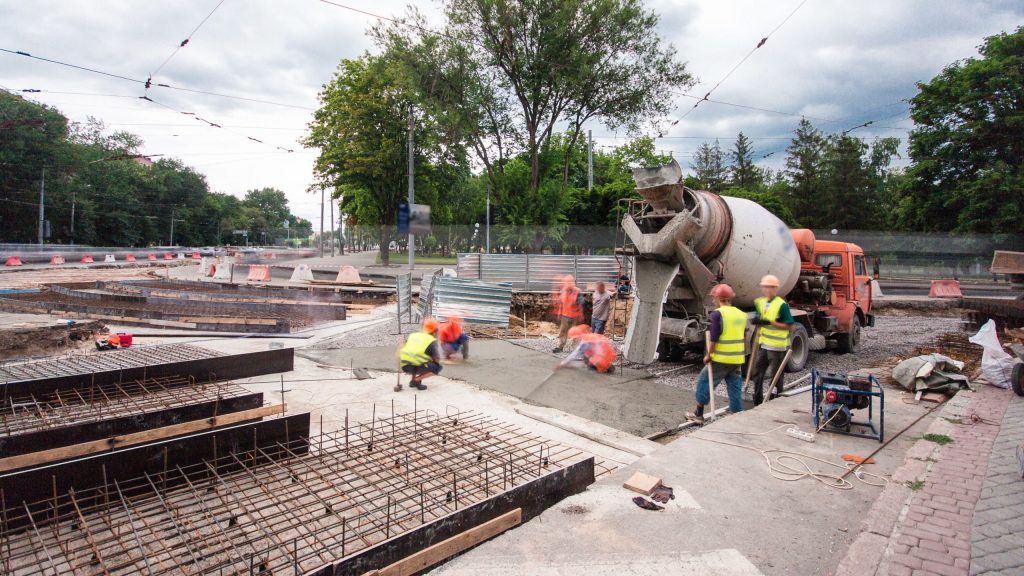
In Decatur, IL, concrete foundations do more than hold a building up. They have to deal with heavy Midwestern clay soils, freeze-thaw cycles, and long stretches of moisture from spring rain and snowmelt.
Whether you’re planning a home addition in the West End or a new commercial build near U.S. Route 51, the right foundation choice affects safety, cost, and long-term performance.
The goal is the same for every project, but how foundations are designed and built can vary a lot depending on the property.
Here’s how commercial and residential concrete foundations differ locally, and how to plan your project the right way with a qualified contractor.
Key Takeaways
- Commercial and residential concrete foundations in Decatur differ in load requirements, codes, and construction methods.
- Local soil conditions and freeze-thaw cycles play a major role in foundation design and longevity.
- Proper planning with permits, engineering, and seasonal timing helps prevent delays and costly mistakes.
- Working with a contractor experienced in Decatur projects supports long-term structural performance.
Key Differences Between Commercial and Residential Concrete Foundations in Decatur, IL
Commercial and residential foundations serve different purposes, and those differences show up clearly once you factor in Decatur’s soil conditions, building codes, and usage demands.
Load Requirements and Structural Design
Residential foundations in neighborhoods like Home Park or near Lake Decatur are designed to support lighter loads such as single-family homes, garages, and small additions.
Commercial foundations, on the other hand, often support multi-story buildings, heavy equipment, or high foot traffic, especially in retail corridors near Pershing Road.
This means thicker slabs, deeper footings, and more reinforcement are typically required for commercial projects to meet Illinois structural standards.
Building Codes and Inspection Standards
Residential projects usually follow local residential codes enforced by the City of Decatur Building Inspections Division, with inspections focused on safety and habitability.
Commercial foundations must comply with stricter commercial codes, accessibility requirements, and sometimes ADA considerations.
These inspections are more frequent and detailed, which can affect timelines and planning for office buildings, warehouses, or mixed-use properties downtown.
Foundation Types and Construction Methods
Homes in Decatur often use poured concrete walls with spread footings or slab-on-grade foundations, which work well for local housing styles and basements.
Commercial buildings may use reinforced mat slabs or deep foundations, depending on soil reports and building size.
Areas with softer clay soils near the Sangamon River can require additional engineering for commercial foundations to prevent settlement.
Project Scale and Scheduling Complexity
Residential foundation work is usually completed in a shorter window, sometimes within a week or two, depending on the weather.
Commercial foundations often involve phased pours, coordination with engineers, and scheduling around other trades.
In busy commercial zones near Interstate 72, logistics like material delivery and site access can also add complexity that doesn’t exist on residential lots.
Cost Drivers and Budget Planning
Residential foundation costs in Decatur are generally driven by square footage, excavation depth, and whether a basement is included.
Commercial foundation budgets must account for higher material volumes, steel reinforcement, testing, and permit fees.
Seasonal factors also matter, as winter pours may require heating and protection to meet curing requirements in Central Illinois.
How to Choose the Right Foundation Contractor and Plan Your Project Timeline in Decatur, IL
Choosing the right contractor and setting realistic expectations early helps avoid delays, cost overruns, and structural issues later on.
Verify Local Experience and Licensing
A contractor familiar with Decatur’s soil conditions and permitting process can spot issues early.
Experience working with the City of Decatur Building Inspections Division and local engineers helps keep projects compliant and moving forward.
This matters for both homeowners building in established neighborhoods and commercial owners developing along major corridors.
Review Project Scope and Engineering Needs
Residential projects may only require basic plans, while commercial foundations often need stamped engineering drawings and soil reports.
Clarifying these requirements upfront helps define timelines and responsibilities.
In areas with known soil movement, proper engineering can prevent cracking and uneven settling over time.
Plan Around Weather and Seasonal Constraints
Decatur’s winters and wet springs can slow excavation and concrete curing.
Scheduling foundation work during late spring through early fall often reduces delays, but commercial projects sometimes need winter pours with added precautions.
Factoring weather into the timeline helps avoid rushed work that can compromise quality.
Coordinate Permits, Utilities, and Site Access
Foundation work often involves utility locates through JULIE and coordination with local water or power providers.
Commercial sites may also need traffic control or staging plans, especially near busy roads like Route 36.
Addressing these details early keeps the schedule predictable and minimizes disruptions.
Balance Timeline Expectations With Quality
Rushing foundation work can lead to long-term problems, especially in Decatur’s freeze-thaw climate. Allowing proper curing time and inspection windows protects the investment.
A clear timeline that balances efficiency with quality is key for both residential comfort and commercial durability.
Schedule a Foundation Consultation in Decatur, IL
Concrete foundations are not one-size-fits-all, especially in Central Illinois.
At Elite Paving & Seal Coating, we help homeowners and commercial property owners understand what their project actually needs before the first yard of concrete is poured.
If you’re planning a new build or foundation replacement in Decatur, now is the time to talk through soil conditions, code requirements, and realistic timelines.
Reach out to schedule a consultation and get clear answers before construction begins.
Frequently Asked Questions
How do we know if our Decatur property needs a deeper foundation?
Soil type, building load, and intended use all factor into foundation depth. In Decatur, clay-heavy soils often require deeper footings or added reinforcement, which is usually determined through site evaluation and, for commercial projects, an engineered soil report.
What is the typical timeline for foundation work in Decatur, IL?
Residential foundation work can take one to three weeks, depending on size and weather, while commercial projects may take several weeks due to inspections and phased pours. Timelines also depend on permit approval through the city and seasonal conditions.
Are permits always required for concrete foundations?
Both residential and commercial foundation projects typically require permits in Decatur. Commercial projects often involve additional reviews for code compliance, accessibility, and structural engineering, all handled through the local building inspections office.
Can foundation work be done during winter in Central Illinois?
Cold-weather pours are possible but require special procedures like heated enclosures and adjusted curing times. Because of added cost and risk, many property owners choose to schedule foundation work outside the harshest winter months when possible.


