

Concrete Foundations Explained for Commercial and Residential Projects
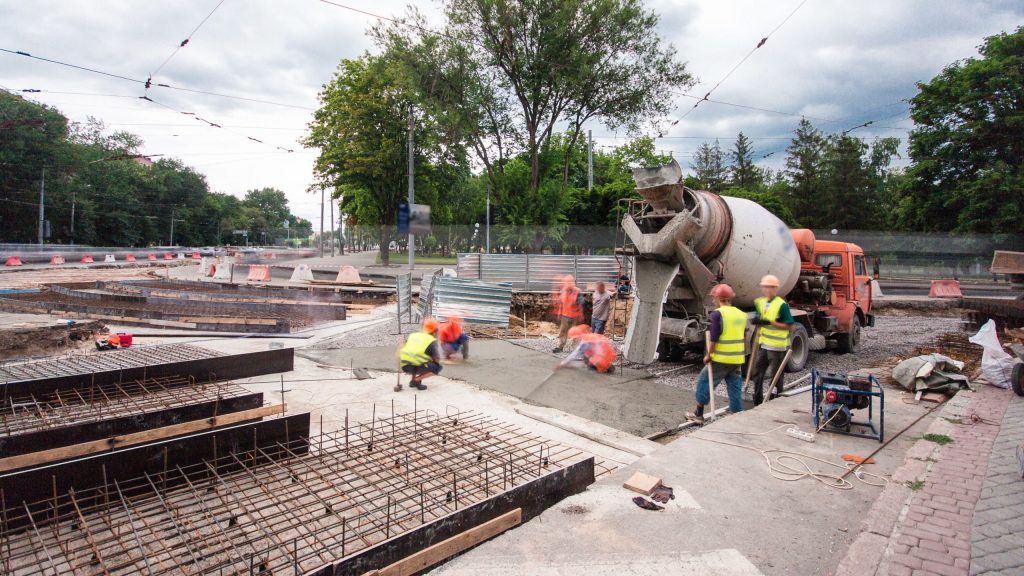
In Decatur, IL, concrete foundations do more than hold a building up. They have to deal with heavy Midwestern clay soils, freeze-thaw cycles, and long stretches of moisture from spring rain and snowmelt.
Whether you’re planning a home addition in the West End or a new commercial build near U.S. Route 51, the right foundation choice affects safety, cost, and long-term performance.
The goal is the same for every project, but how foundations are designed and built can vary a lot depending on the property.
Here’s how commercial and residential concrete foundations differ locally, and how to plan your project the right way with a qualified contractor.
Key Takeaways
- Commercial and residential concrete foundations in Decatur differ in load requirements, codes, and construction methods.
- Local soil conditions and freeze-thaw cycles play a major role in foundation design and longevity.
- Proper planning with permits, engineering, and seasonal timing helps prevent delays and costly mistakes.
- Working with a contractor experienced in Decatur projects supports long-term structural performance.
Key Differences Between Commercial and Residential Concrete Foundations in Decatur, IL
Commercial and residential foundations serve different purposes, and those differences show up clearly once you factor in Decatur’s soil conditions, building codes, and usage demands.
Load Requirements and Structural Design
Residential foundations in neighborhoods like Home Park or near Lake Decatur are designed to support lighter loads such as single-family homes, garages, and small additions.
Commercial foundations, on the other hand, often support multi-story buildings, heavy equipment, or high foot traffic, especially in retail corridors near Pershing Road.
This means thicker slabs, deeper footings, and more reinforcement are typically required for commercial projects to meet Illinois structural standards.
Building Codes and Inspection Standards
Residential projects usually follow local residential codes enforced by the City of Decatur Building Inspections Division, with inspections focused on safety and habitability.
Commercial foundations must comply with stricter commercial codes, accessibility requirements, and sometimes ADA considerations.
These inspections are more frequent and detailed, which can affect timelines and planning for office buildings, warehouses, or mixed-use properties downtown.
Foundation Types and Construction Methods
Homes in Decatur often use poured concrete walls with spread footings or slab-on-grade foundations, which work well for local housing styles and basements.
Commercial buildings may use reinforced mat slabs or deep foundations, depending on soil reports and building size.
Areas with softer clay soils near the Sangamon River can require additional engineering for commercial foundations to prevent settlement.
Project Scale and Scheduling Complexity
Residential foundation work is usually completed in a shorter window, sometimes within a week or two, depending on the weather.
Commercial foundations often involve phased pours, coordination with engineers, and scheduling around other trades.
In busy commercial zones near Interstate 72, logistics like material delivery and site access can also add complexity that doesn’t exist on residential lots.
Cost Drivers and Budget Planning
Residential foundation costs in Decatur are generally driven by square footage, excavation depth, and whether a basement is included.
Commercial foundation budgets must account for higher material volumes, steel reinforcement, testing, and permit fees.
Seasonal factors also matter, as winter pours may require heating and protection to meet curing requirements in Central Illinois.
How to Choose the Right Foundation Contractor and Plan Your Project Timeline in Decatur, IL
Choosing the right contractor and setting realistic expectations early helps avoid delays, cost overruns, and structural issues later on.
Verify Local Experience and Licensing
A contractor familiar with Decatur’s soil conditions and permitting process can spot issues early.
Experience working with the City of Decatur Building Inspections Division and local engineers helps keep projects compliant and moving forward.
This matters for both homeowners building in established neighborhoods and commercial owners developing along major corridors.
Review Project Scope and Engineering Needs
Residential projects may only require basic plans, while commercial foundations often need stamped engineering drawings and soil reports.
Clarifying these requirements upfront helps define timelines and responsibilities.
In areas with known soil movement, proper engineering can prevent cracking and uneven settling over time.
Plan Around Weather and Seasonal Constraints
Decatur’s winters and wet springs can slow excavation and concrete curing.
Scheduling foundation work during late spring through early fall often reduces delays, but commercial projects sometimes need winter pours with added precautions.
Factoring weather into the timeline helps avoid rushed work that can compromise quality.
Coordinate Permits, Utilities, and Site Access
Foundation work often involves utility locates through JULIE and coordination with local water or power providers.
Commercial sites may also need traffic control or staging plans, especially near busy roads like Route 36.
Addressing these details early keeps the schedule predictable and minimizes disruptions.
Balance Timeline Expectations With Quality
Rushing foundation work can lead to long-term problems, especially in Decatur’s freeze-thaw climate. Allowing proper curing time and inspection windows protects the investment.
A clear timeline that balances efficiency with quality is key for both residential comfort and commercial durability.
Schedule a Foundation Consultation in Decatur, IL
Concrete foundations are not one-size-fits-all, especially in Central Illinois.
At Elite Paving & Seal Coating, we help homeowners and commercial property owners understand what their project actually needs before the first yard of concrete is poured.
If you’re planning a new build or foundation replacement in Decatur, now is the time to talk through soil conditions, code requirements, and realistic timelines.
Reach out to schedule a consultation and get clear answers before construction begins.
Frequently Asked Questions
How do we know if our Decatur property needs a deeper foundation?
Soil type, building load, and intended use all factor into foundation depth. In Decatur, clay-heavy soils often require deeper footings or added reinforcement, which is usually determined through site evaluation and, for commercial projects, an engineered soil report.
What is the typical timeline for foundation work in Decatur, IL?
Residential foundation work can take one to three weeks, depending on size and weather, while commercial projects may take several weeks due to inspections and phased pours. Timelines also depend on permit approval through the city and seasonal conditions.
Are permits always required for concrete foundations?
Both residential and commercial foundation projects typically require permits in Decatur. Commercial projects often involve additional reviews for code compliance, accessibility, and structural engineering, all handled through the local building inspections office.
Can foundation work be done during winter in Central Illinois?
Cold-weather pours are possible but require special procedures like heated enclosures and adjusted curing times. Because of added cost and risk, many property owners choose to schedule foundation work outside the harshest winter months when possible.
How to Tell If Your Concrete Sidewalk Has Hidden Structural Issues
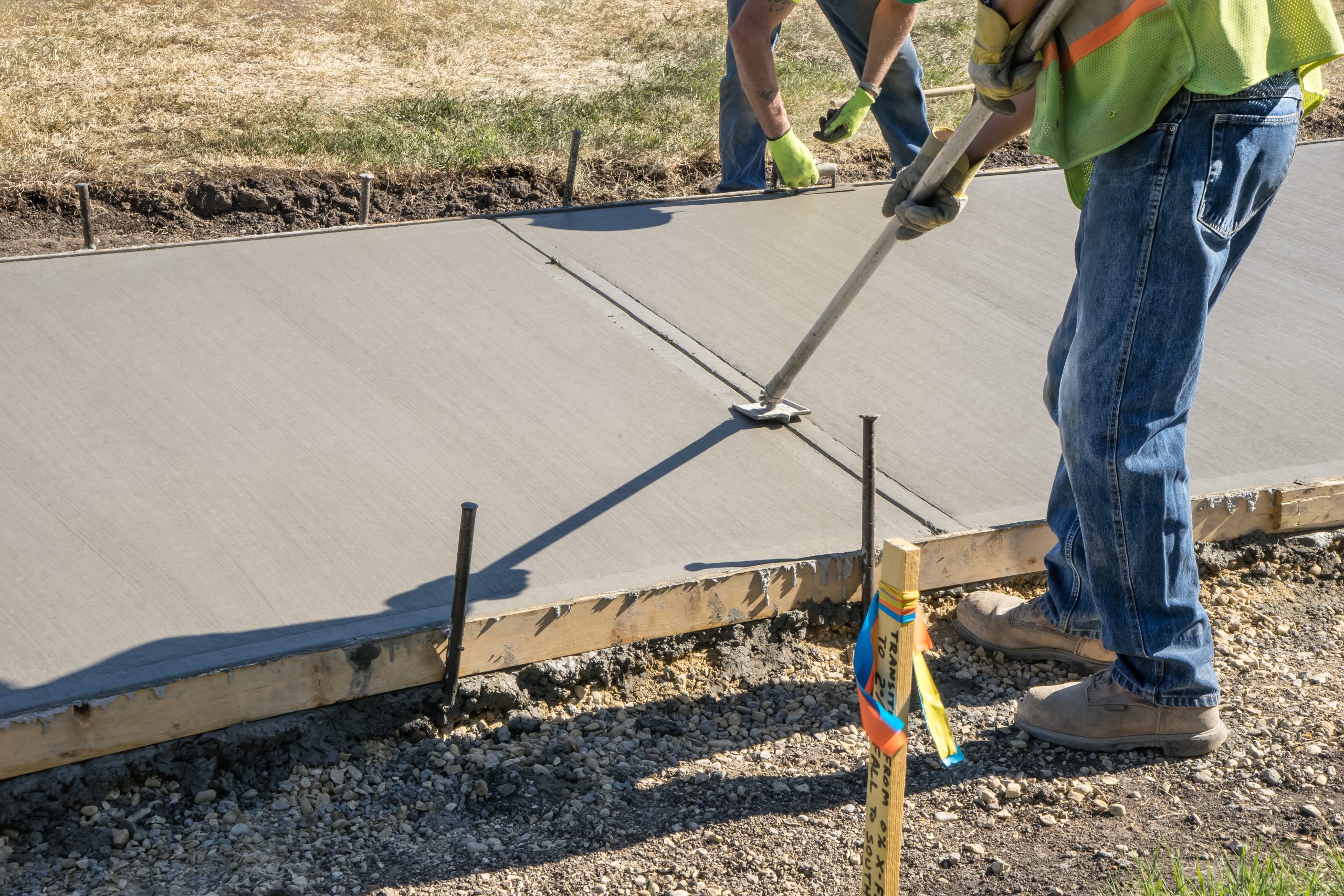 Sidewalks in Decatur take a beating from freeze-thaw cycles along Lake Decatur and the steady foot traffic around neighborhoods like Fairview Park. Small cracks look harmless, but they often signal deeper problems you cannot see from the surface. The good news is that once you know what to look for, you can catch issues before they lead to a full replacement.
Here is how we help local homeowners read those early signs and choose the right repair plan. Let’s start with the warning signs you can spot during a simple walk across your property.
Key Takeaways
- Uneven slabs, pooling water, and hollow sounds signal hidden sidewalk issues.
- Soil movement and drainage patterns affect repair choices in Decatur.
- The age of concrete and past fixes change how new repairs bond.
- Seasonal timing keeps repairs strong and prevents early failure.
Signs of Underlying Concrete Sidewalk Damage to Look For
We look for specific signs that show a Decatur sidewalk has problems below the surface, and these are the ones that help us spot hidden structural issues early:
Uneven Slabs With Noticeable Height Changes
Sudden height changes between slabs often indicate soil settlement or washout under the walkway. In Decatur, this shows up more after heavy spring rains near South Shores because the clay soils expand and shrink. When one slab rises or sinks compared to the next, the stress spreads across the walkway, and the edges start to chip.
We look at the direction of the lift and the soil conditions around driveways or lawn irrigation lines to see if water is moving the base. A small lip today becomes a tripping hazard later, so catching it early helps maintain safety and avoid replacement.
Spiderweb Cracks With Darkened Centers
Spiderweb cracks often signal moisture trapped below the concrete.
In neighborhoods near Millikin University, we often see darker centers because groundwater wicks upward through small gaps. Those shaded areas show that water is sitting under the slab and weakening the base material.
As winter freeze cycles hit, the moisture expands and forces the cracks wider.
Acting quickly by sealing or lifting the slab can slow the damage and protect the walkway from deeper structural failure.
Pooled Water That Stays After Light Rain
When water sits in low spots for more than a day, the slab likely has settled in the center. Areas around Lincoln Park tend to show this because of uneven grading on older properties. Standing water causes surface scaling and pushes more soil out from under the slab over time.
Our crews watch how the water drains off nearby grass and downspouts to locate the real source of the pooling. Fixing the grading or raising the slab prevents long-term erosion and extends the life of the walkway.
Edges Crumbling Near Grass or Flower Beds
Crumbling edges usually point to base materials washing away toward the softer soil near lawns and garden beds. Homes near Greenwood Cemetery often have shallow root systems from older trees that displace the dirt around sidewalks. As the concrete loses support, the edges break off in small chunks that look like surface wear but actually indicate a failing foundation.
By examining root paths and runoff patterns, we can pin down the cause. A simple edge repair will not last unless the base is stabilized first.
Sudden Hollow Sounds When Tapped Lightly
A hollow sound means the slab has separated from the ground below. We hear this a lot on sidewalks close to older clay sewer lines in central Decatur because small leaks wash soil away slowly. The gap under the slab grows, and the concrete flexes when stepped on.
Over time, that movement creates new cracks even if the surface still looks solid.
Checking for hollow spots gives you early notice that leveling or underpinning is needed before the slab collapses or shifts further.
What To Consider Before Choosing the Right Repair Approach
We look at several core conditions that shape how a Decatur sidewalk holds up, and these points guide how we choose the best repair approach for your property:
Soil Movement Patterns Across the Property
Soil type drives most sidewalk issues in Decatur. Many lots around North Water Street sit on clay that swells after storms and shrinks during dry spells. This cycle pulls slabs up and down across the year and affects the stability of any repair.
We study these patterns so the fix matches the way your soil behaves. A repair that ignores soil movement will only hold for a short time.
Drainage Paths That Feed Water Toward the Walkway
Water from downspouts, roof edges, or nearby driveways often funnels toward the sidewalk.
In older areas near the Decatur Civic Center, drainage lines sometimes route water right under the slabs. That water softens the base and leads to settlement.
We map how the water flows during storms and decide if the repair should include redirecting drainage or raising certain sections. Controlling water flow protects the repair and extends the life of the walkway.
Age of the Concrete and Past Repairs
Older sidewalks from the 1970s and 1980s are common near Johns Hill. These slabs often have existing layers of patch material or past injections below them.
We look closely at those old fixes because they change how new materials bond to the surface. Some slabs benefit from lifting while others need partial replacement.
Understanding the history of the slab helps us choose a repair that lasts.
Local Safety Rules for Trip Hazards
Decatur follows local safety guidelines similar to ADA trip height limits, and a raised edge often needs prompt correction in areas where neighbors or visitors walk often. Slabs along corner lots or near schools like Dennis Lab School must meet clear standards for slope and height transitions.
These rules affect which repair approach is acceptable. We adjust the grade and alignment to keep the walkway safe and compliant so you avoid liability issues.
Seasonal Timing for Concrete Work
Timing matters because Decatur winters bring deep freezes while summers bring high humidity.
Work done too close to winter in areas around Nelson Park can cure slowly and develop surface issues. We schedule repairs during windows that give the concrete time to set and bond fully. This seasonal planning protects the strength and durability of the final result.
Get Help Spotting Hidden Sidewalk Problems
It is easy to miss early warning signs when a sidewalk still looks solid, and small issues grow fast around Decatur’s shifting soils and wet seasons. Our goal is to help you understand what is happening under the surface so you feel confident taking the next step.
At Elite Paving & Seal Coating, we assess your sidewalk, identify the source of each problem, and recommend the repair method that will hold up long-term. Reach out today to request a home visit and get a clear, homeowner-focused repair plan..
Frequently Asked Questions
How can I tell if the cracking on my Decatur sidewalk needs more than a surface patch?
Cracks that widen through winter or show dark centers often point to moisture under the slab, and we evaluate the depth, the soil condition, and nearby drainage before recommending leveling or replacement.
Why does my sidewalk near Fairview Park keep sinking even after I patch it?
Sinking usually comes from soil settlement or water moving below the slab, so we check irrigation lines, downspouts, and grading to fix the source before making a long-lasting repair.
How long does concrete lifting usually take for a small walkway section in Decatur?
Most projects finish in a few hours, and we look at soil moisture, slab size, and access along the property to plan the timeline accurately.
What makes some sidewalks near older trees crack faster than others?
Roots shift the soil and change how the slab carries weight, so we assess root paths, base support, and soil thickness before choosing the right repair approach.
Is Your Site Ready for a New Construction Parking Lot?
 If you’re developing a commercial site or revitalizing an aging property in Decatur, having the right parking infrastructure isn’t optional—it’s essential. Whether you’re near Millikin University, along Route 36, or off Pershing Road, your property’s value and usability hinge on well-designed parking.
But how do you know if your site is ready for a new construction parking lot? Let’s walk through the key signs your property is ready, and what steps to take next.
Key Takeaways
- A gravel or damaged lot is a clear sign your Decatur property is ready for new parking construction.
- Poor drainage, traffic flow issues, and recent upgrades often mean your current lot no longer meets site needs.
- A successful project starts with soil testing, permits, smart design, and materials suited for Decatur’s weather.
- Regular seal coating helps protect your new lot from wear, water damage, and harsh Central Illinois seasons.
Telltale Signs Your Property Is Ready for a New Construction Parking Lot
If you’re not sure whether your Decatur, IL property is ready for a new parking lot, there are a few clear signs we look for on-site. When these issues start showing up, it usually means patching and crack sealing won’t cut it. It’s time to start fresh with new construction.
Your Business or Development Has Outgrown Temporary or Gravel Parking
If you’re still relying on gravel or makeshift parking areas, it’s time to make a change. In areas like the Route 51 corridor or near downtown Decatur, businesses need professional parking to keep up with customer demand and maintain curb appeal.
Gravel lots erode quickly in Central Illinois’ freeze-thaw cycles and become muddy messes during spring rains. A paved lot adds both function and credibility to your property.
Local Drainage Patterns Are Disrupting Your Existing Lot Area
Decatur’s flat terrain, combined with heavy summer rainstorms, can wreak havoc on poorly planned parking zones. We often see standing water in lots near Lake Decatur or close to low-lying areas around Stevens Creek.
If you’re noticing persistent drainage issues or erosion, your site may need professional grading and a new parking layout to properly manage stormwater runoff.
You’ve Completed Major Building or Site Upgrades
If you’ve recently invested in a commercial renovation or ground-up construction—especially in areas like North Main Street or the Decatur Airport Industrial Park—a new parking lot should follow. Your building’s new look won’t reach its full potential if it’s paired with a cracked, uneven, or undersized lot.
A new construction lot ensures your site meets current ADA and zoning requirements while matching the quality of the new build.
You’re Struggling with Inadequate Traffic Flow or Entry Points
If traffic backs up onto Oakland Avenue or your lot’s layout is confusing, it’s more than just an inconvenience—it’s a liability. We’ve worked with businesses across Decatur who faced traffic bottlenecks or safety issues due to outdated parking layouts.
New construction gives you a chance to fix these issues from the ground up, incorporating smooth ingress/egress and clearly marked traffic flow patterns.
City or County Code Compliance Has Become an Issue
Whether you’re planning a commercial property near the Decatur Civic Center or developing in a suburban area like South Shores, local regulations are always evolving.
If your current lot falls short of Macon County zoning codes, ADA requirements, or environmental drainage standards, it might be more cost-effective to start fresh. We stay updated on local ordinances so your new lot is fully compliant from day one.
How to Move Forward with a New Parking Lot Construction
Once it’s clear your Decatur property needs a new parking lot, the real work starts. Here’s how we help you move forward with a parking lot that’s built to last in Central Illinois.
Start with a Site Evaluation and Soil Analysis
Before any asphalt paving begins, we need to understand what’s under the surface. In Decatur, especially in areas near old industrial sites or flood-prone zones like the Brush College area, soil stability varies widely.
Our team conducts a full geotechnical analysis to determine the best base preparation strategy. This step ensures your new lot won’t settle, crack, or fail prematurely.
Consult Local Zoning and Permitting Agencies
Decatur’s city planning department and Macon County zoning office require specific permits and site plans before construction begins. From setbacks along roads like Eldorado Street to ADA-compliant access near public buildings, every detail must meet code.
We coordinate with local officials to secure approvals and streamline the permitting process, keeping your project on schedule.
Design the Lot for Function, Flow, and Future Growth
We don’t just pour asphalt—we design lots that work.
Whether you’re operating a retail store in Brettwood Village or managing a logistics hub near Faries Parkway, the layout must account for traffic flow, parking ratios, and safety.
Our planning includes marked pedestrian walkways, proper lighting placement, and efficient drainage systems, all tailored to your specific property and industry needs.
Choose the Right Materials for Central Illinois Weather
Between hot, humid summers and freezing winters, Decatur’s weather is tough on pavement.
We recommend materials like IDOT-approved hot mix asphalt, which holds up well against temperature swings and heavy traffic.
In areas with high truck volume, such as distribution zones near Mount Zion Road, we may also incorporate concrete pads for durability. Choosing the right materials up front protects your investment long-term.
Plan for Long-Term Maintenance and Seal Coating
Even a brand-new lot needs a maintenance strategy.
We recommend scheduling regular seal coating every few years—especially in high-traffic areas like near Decatur Memorial Hospital or the Mound Center retail district.
Seal coating protects the surface from oxidation, water intrusion, and winter salt damage, keeping your lot looking new and performing well for decades.
Ready to Build the Parking Lot Your Decatur Property Deserves?
At Elite Paving & Seal Coating, we build new parking lots that meet Decatur’s local codes, handle year-round weather, and leave a strong first impression on your customers. We serve commercial property owners throughout Decatur, from downtown and Millikin University to South Shores and beyond.
Don’t wait for another season of patchwork fixes.
Let’s design and build a long-lasting solution tailored to your site. Call us today to schedule a site evaluation or request a quote for your new parking lot construction.
Frequently Asked Questions
How long does it take to complete a new parking lot construction project in Decatur?
Most new parking lots take 7 to 14 days to complete, depending on site conditions, weather, and material availability. We manage the full timeline, including prep, paving, and finishing work.
Can you install lighting and electrical conduit during parking lot construction?
Yes, we coordinate with licensed electricians to install conduit and light pole bases during construction, so your parking lot is ready for lighting installation without needing additional excavation later.
Do you provide parking lot construction for schools, churches, or municipal buildings in Decatur?
Yes, we’ve completed parking lot projects for schools, churches, and public buildings throughout Decatur. We tailor the design to meet institutional needs, traffic demands, and safety requirements.
What happens if my site has old asphalt or concrete that needs removal?
We provide full demolition and removal services for old pavement. Our crew handles everything from hauling debris to preparing the sub-base for proper grading and new construction.
How to Maintain Your Lot After Parking Lot Repair Is Completed
 If you’ve recently invested in parking lot repair in Decatur, IL, you’re already ahead of the curve. A well-maintained lot isn’t just about appearance. It directly impacts safety, property value, and customer perception.
But once the repairs are done, the real work begins: ongoing maintenance.
Without a proper strategy, the local weather, daily traffic, and neglect can quickly undo all that progress. At Elite Paving & Seal Coating, we’ve worked on parking lots across Decatur—from busy lots along Pershing Road to small retail centers near Fairview Park—and we’ve seen how smart maintenance decisions keep pavement strong for years.
Here’s how to keep your newly repaired lot in top shape for the long haul.
Key Takeaways
- New asphalt needs up to 48 hours to cure in Decatur before cars or people use the surface.
- Sealcoating, sweeping, and crack repairs help protect your lot from Decatur’s sun, salt, and seasonal damage.
- Clear striping and working drainage systems help keep your parking lot safe, visible, and code-compliant in Decatur.
- Frequent potholes, pooling water, and oil stains are signs your parking lot maintenance plan is not working.
Allow Proper Curing Time Before Using the Surface
After any asphalt repair, the material needs time to cure—especially in Decatur’s humid late summers and cooler fall nights. Jumping the gun and allowing vehicle traffic too soon can lead to surface impressions and premature wear.
For most lots around Macon County, we recommend keeping vehicles off the fresh asphalt for at least 24 to 48 hours.
On larger lots near the Decatur Civic Center or Mt. Zion Road, even foot traffic should be minimized during this period. Local humidity and overnight temperature drops can affect curing time, so always err on the side of caution.
Schedule Sealcoating Within the Right Window
Sealcoating protects your pavement from UV rays, water, and chemical spills—especially important in Decatur, where summer sun and winter salt can wreak havoc. But timing matters. For most lots repaired in the summer, you should wait at least 90 days before asphalt sealcoating to ensure proper bonding.
In cooler months, that window may stretch longer.
We’ve seen businesses along Oakland Avenue benefit from scheduling sealcoating in early fall, right before the first freeze. This helps lock in protection before the Midwest winter settles in.
Keep Up With Regular Sweeping and Debris Removal
Leaves from nearby trees in the West End Historic District or litter from busy commercial areas like North Water Street can trap moisture and accelerate pavement decay. Regular sweeping helps prevent organic matter buildup, oil stains, and standing water from taking a toll.
This small step extends the life of your lot, especially if it’s bordered by mature trees or landscaping that tends to shed frequently in Decatur’s fall season.
Repair Cracks as Soon as They Appear
Even freshly repaired lots can develop cracks—particularly after a few freeze-thaw cycles, which are common in Decatur winters. Water seeps into tiny fractures, freezes, expands, and turns a hairline crack into a pothole.
If you’re near Lake Decatur or low-lying areas where drainage is slower, this risk increases. Stay proactive by inspecting your lot after each seasonal transition and patching small cracks before they become larger structural issues.
Re-Stripe Your Lines for Safety and Compliance
After repairs and sealcoating, parking lot striping often needs to be redone.
In Decatur, ADA compliance and visibility during snowy conditions are critical concerns. We’ve worked with businesses near Decatur Public Schools that require clearly marked drop-off zones, as well as retail lots that need high-contrast lines to direct traffic safely during winter.
Re-striping not only keeps your lot looking sharp, but it also ensures safety and legal compliance.
Maintain Proper Drainage to Prevent Pooling
Ponding water is a major issue in many Decatur neighborhoods, especially in flatter lots like those found near the Millikin University campus or on Eldorado Street. Poor drainage allows water to seep into your pavement, weakening the base and leading to rapid deterioration.
After repairs, it’s important to monitor your lot during and after rainfall.
If you notice new pooling, it may be time to re-grade or adjust your drainage system.
Know the Signs Your Maintenance Plan May Be Failing
Even with a solid plan, things can start to slip. If you’re noticing changes in your lot’s condition, it might be time to revisit your maintenance strategy.
Potholes Are Forming More Frequently
If potholes are showing up just months after repair work, it’s usually a sign that your maintenance schedule isn’t keeping pace with Decatur’s weather extremes.
Especially in areas like South Shores, where winter freeze-thaw cycles hit hard, neglected cracks can turn into potholes almost overnight. This points to a lapse in crack sealing and drainage management.
Striping Is Fading Faster Than Expected
Decatur winters can be brutal on striping, thanks to plows and road salt from the Illinois Department of Transportation’s regular treatments. But if your lines are fading within a season, it could mean the lot wasn’t sealed properly, or the paint used wasn’t up to spec.
We’ve had clients near the Decatur Conference Center call us back within months for re-striping due to this issue—preventable with better surface prep and quality materials.
Water Is Pooling After Light Rainfall
If puddles linger on your lot after even mild rain—especially common near Brush College Road or lots with older stormwater infrastructure—it’s a sign your drainage is compromised.
Clogged inlets or minor grading shifts after repair work can cause this, and it often leads to premature surface cracking and base failure.
Cracks Are Reappearing in the Same Spots
Recurring cracks, particularly in high-traffic zones like lots near Brettwood Village Shopping Center, usually indicate underlying structural issues that weren’t fully addressed during the initial repair.
If cracks keep reopening in the same locations, your maintenance team may need to re-evaluate the subbase or the sealant being used.
Oil Stains Are Spreading and Not Being Cleaned
In commercial areas like downtown Decatur or near gas stations on Route 36, oil leaks are common—but if stains aren’t cleaned regularly, they’ll eat away at your asphalt. If you notice black, slippery patches expanding, it means your cleaning schedule isn’t frequent enough.
Left untreated, these spots will soften and deteriorate the pavement.
Don’t Let Your Investment Go to Waste—Keep It Protected
Just finished a major parking lot repair? You’re not in the clear yet.
At Elite Paving & Seal Coating, we help Decatur property owners protect their investment with tailored maintenance plans, expert sealing, and honest guidance backed by years of local experience.
Let us help you stay ahead of issues.
Contact us to schedule a lot inspection or request a quote today.
Frequently Asked Questions
How often should a commercial lot in Decatur be professionally inspected?
A commercial lot should be inspected at least once a year to check for cracks, drainage issues, or fading striping. We provide annual inspection services to help property owners plan maintenance before major damage happens.
Can line striping be customized for different types of businesses in Decatur?
Yes, we offer custom striping layouts based on your lot’s use—whether it’s retail, medical, school, or industrial. We follow local codes and help you design layouts that improve traffic flow and safety.
Are asphalt repairs in Decatur affected by the local freeze-thaw cycle?
Yes, freeze-thaw cycles in Decatur can cause early cracking and potholes if not addressed properly. We use mixes and repair methods designed to handle Central Illinois winters and prevent repeated damage year after year.
Do you offer maintenance plans for property managers with multiple lots in Decatur?
Yes, we offer ongoing maintenance packages for commercial property managers across Decatur. These include routine inspections, sealcoating schedules, and priority service to help extend pavement life across multiple locations or large properties.
When Should You Build a New Construction Parking Lot for Your Decatur Property?
 Timing your new construction parking lot project is just as important as choosing the right contractor. Whether you’re developing a commercial site near Millikin University or upgrading a multifamily complex on Eldorado Street, Decatur’s seasonal weather, local regulations, and community activity patterns can all impact the success and longevity of your parking lot.
At Elite Paving & Seal Coating, we’ve worked with business owners, property managers, and developers across Macon County to plan smart, efficient construction timelines.
Here’s when it makes the most sense to get started.
Key Takeaways
- Site grading and underground utilities must be finished before starting parking lot construction to prevent cracks and settling.
- Warm and dry weather in Decatur, especially from April to October, helps asphalt cure correctly and last much longer.
- Big events and holiday traffic near places like Hickory Point Mall make early parking lot scheduling the smarter choice.
- Early paving before curbs, plants, or winter weather helps avoid delays, damage, and costly repairs down the road.
After the Final Site Grading and Utility Work Are Complete
The best time to schedule your parking lot construction is right after your site has been properly graded and all underground utility installations are done. We see this often with developments along Route 36 or near South Shores, where stormwater drainage, water main taps, and electrical conduit placement have to be completed first.
Pouring or paving too early—before the soil is compacted and stable—can lead to settling, drainage failures, and cracks.
In Decatur, where freezing winters and heavy spring rains are common, subgrade preparation is essential to avoid long-term damage.
During Warm, Dry Months for Optimal Asphalt Performance
The sweet spot for asphalt work in Decatur typically falls between late April and early October. During this window, temperatures usually stay above 50°F, which is critical for proper asphalt curing and compaction.
We advise clients in neighborhoods like Home Park and West End to avoid late fall and early spring installations when the ground is still cold or saturated from rainfall.
Warm, dry conditions help bind the asphalt mix properly and reduce the risk of premature deterioration, especially important in a four-season climate like Central Illinois.
Before Local Events or Seasonal Traffic Surges
If your property sees a spike in foot or vehicle traffic—say, during the Decatur Celebration downtown or the busy summer months at Lake Decatur—it’s smart to plan your parking lot construction around those schedules.
For example, a retail plaza near Hickory Point Mall should avoid major construction in November and December when holiday shoppers flood Forsyth and the surrounding area.
Scheduling construction before a known uptick in use ensures your lot is ready, accessible, and not a hassle for customers or tenants during critical times.
Prior to Landscaping or Curb Installation
We always recommend finishing the base and surface layers of your parking lot before you start adding curbs, islands, or landscaping features. This is particularly relevant for new builds near Greentree or Park Place Centre, where developers may be coordinating multiple contractors.
Pouring curbs too early can restrict access for our equipment and delay the paving process. Plus, finishing the asphalt first minimizes the risk of damaging ornamental plantings or sprinkler systems during heavy machinery use.
Before Winter to Avoid Freeze-Thaw Damage
In Decatur, winter weather can be rough on pavement. If you’re planning a project in the fall, it’s important to finish construction before the first hard freeze, which often hits by late November.
Parking lots poured too late in the season—like those near Decatur Airport or the Industrial Center—can suffer from poor curing and water infiltration, leading to early cracking and potholes due to freeze-thaw cycles.
Getting the work done while temperatures are still stable gives your new lot a stronger, longer-lasting foundation.
When You’re Ready for a Smooth Tenant or Business Opening
Whether you’re opening a new office space on Water Street or a restaurant along North Main, your parking lot is the first impression people get. It should be clean, finished, and striped before the first customer ever steps through the door.
We often work with commercial clients to align the lot construction with final inspections or grand opening timelines. Having it done early also allows time for sealcoating or signage, which helps your business look polished and professional from day one.
Make the Right Move with Your Parking Lot Timing
Waiting too long—or starting too soon—can cost you in repairs, delays, and lost curb appeal.
At Elite Paving & Seal Coating, we help property owners throughout Decatur, from the business parks off Mound Road to the historic streets near Fairview Park, get their parking lots done right and on time.
Need help planning the perfect timeline?
Let us take the guesswork out of it. We’ll coordinate around your site schedule, local weather, and traffic needs to ensure your new parking lot holds up for years to come.
Call now to schedule a consultation or request a quote—we’ll make sure your pavement is poured at the perfect time.
Frequently Asked Questions
How long does new parking lot construction usually take in Decatur?
Most new parking lots in Decatur take between 3 to 7 days, depending on the project’s size, weather, and site access. At Elite Paving & Seal Coating, we schedule efficiently to minimize disruption and meet your deadlines.
Do I need a permit to build a parking lot in Decatur, IL?
Yes, parking lot construction in Decatur requires a city permit. We help clients handle permitting through the City of Decatur Public Works Department to ensure everything meets zoning, drainage, and code requirements before construction begins.
Can you handle striping, signage, and ADA compliance for my new parking lot?
Absolutely. We handle all layout, striping, and ADA-compliant markings, including signage, van-accessible stalls, and proper slope grading to meet Illinois accessibility codes and keep your lot safe and legally compliant from day one.
What type of base is best for long-lasting parking lots in Central Illinois?
A compacted crushed stone base is best for Decatur’s freeze-thaw climate. We install thick, well-drained bases beneath asphalt to resist shifting, cracking, and heavy vehicle loads for long-term performance and durability.
How Can You Get an Accurate Estimate for Driveway Paving in Decatur?
If you’re planning to pave or repave your driveway in Decatur, IL, getting an accurate estimate is more than just a smart financial move. It’s key to avoiding surprise costs and ensuring your project goes smoothly. But if you’ve ever tried to compare quotes, you’ve probably noticed how much they can vary.
That’s because a good estimate takes local conditions, specific materials, and even city requirements into account.
Here in Decatur, different neighborhoods come with different challenges, and that means the path to an accurate paving estimate needs to be handled step by step.
Key Takeaways
- Decatur’s shifting clay soil and freeze-thaw weather make proper base prep and asphalt mix critical for durability.
- On-site visits help spot drainage, slope, and access issues that are common in Decatur’s older and newer areas.
- Local permits, historic zone rules, and driveway size limits in Decatur should always be included in your estimate.
- Itemized quotes, clear timelines, and strong warranties help avoid costly surprises during Decatur’s unpredictable paving seasons.
Understand the Local Soil and Weather Conditions in Macon County
Driveway paving in Decatur isn’t a one-size-fits-all job, thanks to the region’s unique mix of soil types and seasonal weather. Much of Macon County has expansive clay soil, which means the ground shifts throughout the year, especially during freeze-thaw cycles in winter and hot, dry spells in summer.
This movement can crack poorly laid asphalt, so the base preparation and asphalt mix need to be tailored accordingly.
When you request an estimate, a contractor should factor in soil stabilization or grading adjustments based on your location—something especially important if you live near Fairview Park or in older areas like Near Westside, where driveways may have settled unevenly over time.
Schedule an On-Site Visit, Not a Phone Estimate
An accurate estimate starts with a contractor visiting your property. There’s no way to get a realistic number over the phone without seeing the slope, drainage, existing materials, and access for heavy equipment.
In Decatur, asphalt driveways can vary widely—from narrow alleys behind homes near Millikin University to wide front-facing drives in Mount Zion or Long Creek.
A contractor needs to physically assess whether excavation will be needed, if there are utility access points nearby, or if water pooling has caused damage. These are all things you can’t spot on Google Maps.
If a company offers a quote without coming out, that’s a red flag.
Ask About Permitting and City Code Compliance in Decatur
Decatur has specific rules around driveway construction and paving, especially when connecting to public sidewalks or alleys.
The city often requires permits for major asphalt paving work, and there may be limits on driveway width or materials, especially in historic zones or within city easements.
For instance, if you’re in the historic district near Prairie Avenue, you’re more likely to face restrictions on design and materials. A reliable contractor will be familiar with these local codes and include the cost of permitting in your estimate.
If they don’t bring this up, you’ll want to ask.
It can save you from surprise delays or fines later on.
Choose the Right Material Based on Local Traffic and Climate
Decatur residents often go with asphalt because it handles our Midwest freeze-thaw cycles better than concrete, especially on driveways that see frequent traffic.
But not all asphalt is created equal.
Contractors should walk you through your options based on your specific use—are you parking a single sedan or multiple trucks?
Living near Lake Decatur might mean more moisture exposure, while homes closer to Route 121 might deal with more dust and debris. Your estimate should reflect the right material thickness and mix grade for your situation.
A vague or flat-rate quote usually means corners will be cut.
Get a Detailed, Itemized Breakdown—Not a Lump Sum
A trustworthy contractor in Decatur will provide an estimate that breaks down each part of the job: demolition (if needed), grading, base layer, paving, sealing, and cleanup. This helps you understand what you’re paying for—and it’s essential for comparing bids.
For example, if you’re in the Wyckles area and have an old gravel driveway, your prep work will differ significantly from someone in Home Park with a concrete slab.
Ask to see line items for materials, labor, and equipment costs.
This transparency shows the contractor knows their stuff and builds trust from the start.
Compare Warranty and Timeline Commitments
In Decatur’s variable weather, the longevity of your driveway depends not only on materials but also on workmanship. When reviewing estimates, don’t just look at price—ask about warranties and timelines.
- Will the company return to fix issues caused by early cracking?
- How soon can they get started, and how long will the job take?
A paving project that runs into late fall could be affected by early frost, which is common here. Contractors familiar with Central Illinois weather will schedule accordingly, often suggesting spring or early summer work to avoid rushed curing in cold temps.
Get Driveway Paving Done Right—Start with a Reliable Estimate
If you’re ready to pave your driveway but don’t want to get hit with hidden fees or cut corners, it all starts with a thorough, local-minded estimate.
At Elite Paving & Seal Coating, we take pride in helping Decatur homeowners understand every part of the process. Whether you’re dealing with crumbling asphalt in South Shores or need a fresh install on a sloped lot near Garfield Avenue, we bring the local know-how to get it done right.
We assess your driveway in person, factor in Decatur’s soil and weather challenges, and provide clear, itemized quotes you can trust.
Ready to get started?
Contact us today to schedule a free on-site estimate and let us help you build a driveway that’s built to last through Illinois winters and beyond.
Why Is Your Asphalt Repair Sinking After Just 6 Months in Decatur?
You paid for asphalt repairs thinking the problem was solved—but now there are dips, soft spots, or sinking patches showing up again. You shouldn’t feel scammed for expecting a repair to last more than a few months—but in Decatur’s tough climate, shortcuts don’t hold up.
That’s not just frustrating, it’s expensive. And here in Decatur, IL, with all the rain, humidity, and shifting clay soil, quick-fix jobs don’t last long unless they’re done right.
Let’s explore why this keeps happening—and how to make sure your next repair actually sticks.
Key Takeaways
- Sinking repairs often start with a weak base that wasn’t deep or compacted enough for Decatur’s shifting soil.
- Pooling water from poor drainage slowly breaks down the foundation, especially in low-lying areas near Lake Decatur.
- Cheap fill like loose soil under the patch compresses or washes away, making the asphalt sag in just months.
- Repairs using thin asphalt or low-grade mix fail fast under Decatur’s traffic and extreme weather swings.
- Driving on asphalt before it cures or during freeze-thaw cycles leads to cracks, dips, and early repair failure.
Poor Base Preparation
In many cases, the problem isn’t the asphalt itself—it’s what’s underneath. If the base layer wasn’t compacted properly or wasn’t deep enough, it can settle over time, especially with the freeze-thaw cycles we see in Macon County.
Decatur soil is often made up of clay-rich layers that expand and contract dramatically with moisture. If the base wasn’t built with this movement in mind, it can shift and lead to sinking.
What To Do
Ask your contractor about the sub-base material, depth, and compaction process. For lasting results, the base should be at least 6–8 inches of compacted crushed stone for driveways—more for commercial lots.
If you’re seeing problems, a full-depth patch may be needed to rebuild the base.
Water Drainage Problems
Standing water is asphalt’s worst enemy. If water is pooling on or under the surface, it can weaken the foundation and cause sinking over time.
Between spring rainstorms and heavy snowmelt, Decatur sees significant seasonal runoff. Areas near Fairview Park or the low-lying neighborhoods around Lake Decatur are especially vulnerable to poor drainage.
What To Do
Make sure your asphalt driveway or lot is graded to shed water. That usually means a slope of at least 1–2% away from buildings. French drains or trench drains may also help in areas that hold water.
Cheap or Improper Fill Material
If your contractor used poor-quality fill (like soil instead of gravel) beneath the patch, it can compress or wash out over time.
Some quick-fix contractors working in older neighborhoods like Near North or Lincoln Park may cut corners to save time. Using the wrong fill can cause repairs to fail even faster in our variable weather.
What To Do
Request crushed limestone or similar angular aggregate for a stable, compactable base. If your repair is failing, it may need to be dug up and replaced properly from the bottom up.
Thin or Low-Quality Asphalt
Asphalt needs to be thick enough to support traffic. If the repair was too thin or made with a low-grade mix, it won’t hold up.
With constant temperature swings from hot summers to freezing winters, thin asphalt can crack and sag quickly—especially in high-traffic areas like near Millikin University or Route 48 corridors.
What To Do
For residential driveways, asphalt should be at least 2–3 inches thick after compaction. If your repair was thinner, a professional overlay or cut-and-replace may be necessary.
Not Allowing Proper Curing Time
If the repaired area was driven on too soon, before the asphalt completely cured, it may have weakened the surface and caused premature settling.
In warmer months, fresh asphalt may feel solid but still needs time to fully harden—especially during humid stretches common around July and August.
What To Do
Avoid driving on fresh asphalt for at least 24–48 hours, longer if the weather is cool or damp. If early traffic was the issue, surface cracks or low spots may be fixable with patching or infrared repair.
Repeated Freeze-Thaw Cycles
Water gets into small cracks, freezes, and expands—breaking apart the pavement from underneath. Over time, this causes dips and sinking.
Our winters often hover around freezing, causing frequent freeze-thaw cycles. This is especially tough on repairs that weren’t sealed or properly maintained.
What To Do
Sealcoat your asphalt regularly to keep water out. In Decatur, a fresh seal every 2–3 years helps protect against moisture and UV damage. If cracks appear, fill them quickly before winter hits.
Heavy Vehicle Traffic on a Light-Duty Repair
Some asphalt repairs are only meant for light-duty use. If you park RVs, trailers, or delivery trucks on them, they can sink under the weight.
This is a common issue in neighborhoods like Home Park or West End where driveways may double as work vehicle parking.
What To Do
If you need to support heavy loads, let your contractor know. They may recommend a thicker asphalt layer or reinforcing the base to handle the extra weight.
Stop Wasting Money on Short-Term Asphalt Repair Fixes
If you’ve already had to re-do an asphalt patch in less than a year, something’s not right—and it’ll keep costing you if the root problem isn’t fixed.
At Elite Paving & Seal Coating, we don’t just slap on a patch. We evaluate drainage, base conditions, and local factors—like Decatur’s clay-heavy soil and intense freeze-thaw cycles—to make sure your repair is built to last.
Whether you’re near Lake Decatur, along Eldorado Street, or out by South Shores, we’ll make sure your pavement is ready for the next season—and the one after that.
Call us today to schedule a professional evaluation and get a quote on long-lasting asphalt repair done right the first time.
Concrete Overhaul: Creating a Safer, Smoother Welcome in Champaign, IL
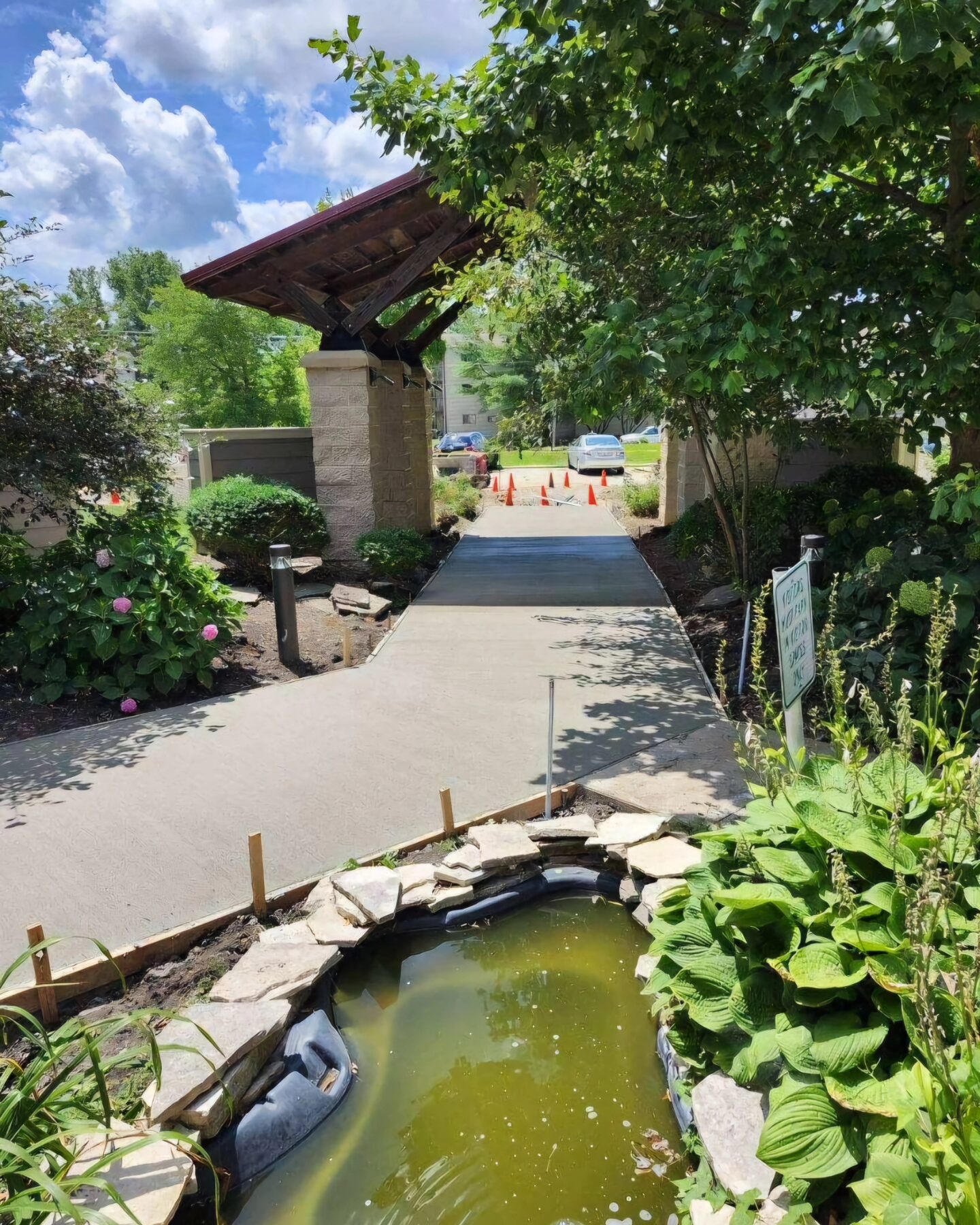
At Round Barn Manor, located at 2000 West John Street in Champaign, IL, first impressions matter—and so does safety. As a senior living facility that sees daily foot traffic from residents, visitors, and staff, the property’s outdated and deteriorating concrete surfaces were becoming more than just an eyesore. Uneven walkways, pooling water, and aging pavement created hazards that were especially risky for elderly residents who rely on walkers, canes, or wheelchairs for mobility.
That’s when the team at Elite Paving & Seal Coating stepped in with a plan for a full concrete replacement designed with both durability and accessibility in mind.
Project Overview: Accessibility-Forward Concrete Replacement
Round Barn Manor serves as a residence for dozens of community members and hosts daily visits from healthcare providers, family, and staff.
Over time, the facility’s entrance paths and parking lot walkways had begun to crack and shift due to Central Illinois’ seasonal freeze-thaw cycles. These issues not only posed safety concerns but also made the facility appear dated and neglected.
The property owners needed more than a surface-level patch—they needed a complete overhaul that would:
- Eliminate tripping hazards
- Improve drainage
- Comply with ADA guidelines
- Create a visually welcoming and well-marked space
With these goals in mind, Elite Paving & Seal Coating designed a project plan to completely revitalize the concrete surfaces surrounding the entrance and pedestrian zones.
Our Process: Building Safety and Longevity from the Ground Up
At Elite Paving & Seal Coating, we’re known for going beyond quick fixes. This project required thoughtful planning and expert execution to meet the needs of a high-traffic, accessibility-sensitive location.
1. Demolition & Site Prep
The first step was to safely demolish the aging concrete surfaces around the property, including walkways, parking lane transitions, and curb areas. We hauled away the broken material and re-graded the site to ensure proper slope and drainage, especially around the facility’s main entrance.
2. Gravel Base Installation
Next, we installed a compacted gravel sub-base—a crucial step for long-term durability and resistance to Illinois’ shifting soil and weather extremes. A well-prepped foundation means fewer future repairs and a surface that holds up over time.
3. Concrete Pour & Finishing
We poured high-strength, fiber-reinforced concrete in carefully segmented sections, designed to allow natural expansion and prevent cracking. The surfaces were finished with a clean, broom-textured finish to provide traction—even in icy or wet conditions.
This finish is not only practical for wheelchairs and walkers but also gives a modern, uniform look to the entire approach.
4. ADA Compliance & Striping
To ensure the project met current ADA standards, we incorporated gentle slopes, curb ramps, and well-marked access paths.
Once the concrete had cured, we applied bright yellow striping to designate pedestrian zones and no-parking areas, improving visibility and flow for both drivers and walkers.
Why Property Owners in Champaign Trust Elite Paving & Seal Coating
The final result speaks for itself. What was once a patchy, uneven, and potentially dangerous approach to the facility is now a smooth, professional-grade entrance that welcomes residents and guests alike.
When it comes to concrete work in Champaign, understanding the local climate and soil conditions is essential. Between freeze-thaw cycles, summer heatwaves, and occasional flooding, concrete installations here require careful planning and expert execution.
At Elite Paving & Seal Coating, we bring decades of experience to every job—whether we’re working on a small residential driveway or a large-scale commercial site like Round Barn Manor. We know how to build for performance, safety, and lasting visual appeal.
Need Concrete Work That Combines Safety, Style, and Strength?
Whether you’re managing a senior living facility, a commercial complex, or a residential property in Champaign, we’re here to help. Our team handles everything from tear-out to finish with the kind of attention to detail that makes a difference for years to come.
Contact us today to schedule a free estimate. Let us show you how a thoughtful, expertly built concrete solution can transform your property—just like it did for Round Barn Manor.






What Steps Should You Take if Your New Driveway Floods in Decatur, IL?
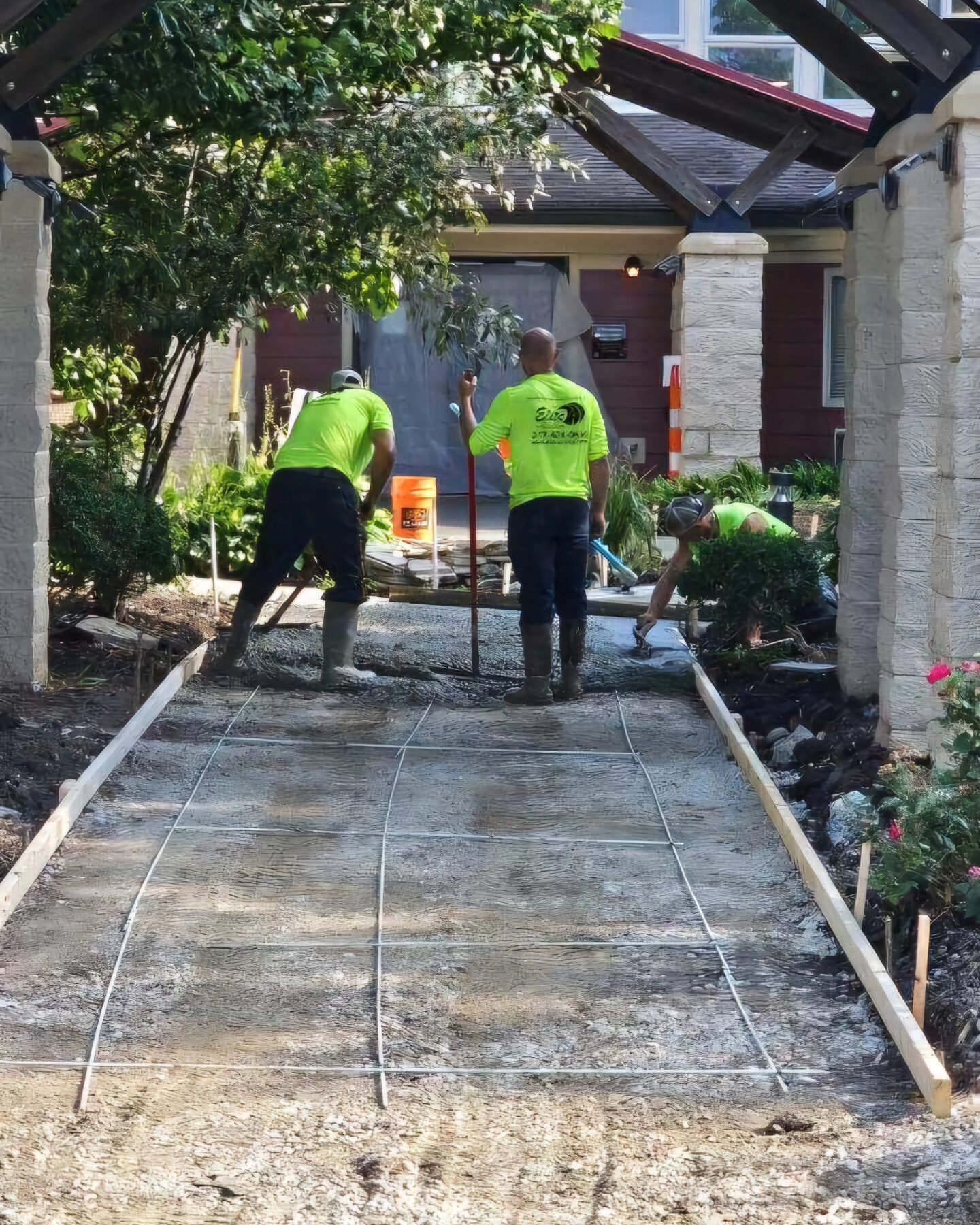
A new driveway is a big investment, and nothing’s more frustrating than seeing it flood the first time it rains. If you’re in Decatur, IL—where heavy spring storms and unpredictable Midwest downpours are all too common—driveway flooding isn’t just annoying, it can lead to long-term damage.
Whether you’re near Fairview Park or out by the South Shores neighborhood, knowing what to do next can save your driveway and your wallet.
This blog contains a step-by-step guide to handle driveway flooding and prevent future issues.
Key Takeaways
- Flood-prone areas in Decatur like West End and Eldorado Street often suffer from poor drainage during heavy rains.
- Driveways near Lake Decatur or Lincoln Park may flood if not graded with a proper 1-2 percent slope.
- Clogged trench or French drains from oak trees near Millikin University can cause driveway flooding issues.
- Poor installation during humid Decatur summers can lead to dips, cracks, or water pooling in your driveway.
- Long-term fixes like regrading and drain installation are crucial for homes near Pershing Road with clay-heavy soil.
Steps to Take When Your New Driveway Starts Flooding in Decatur, IL
A flooded driveway after a fresh install can be frustrating—and costly if left unchecked. In Decatur, factors like poor grading, heavy spring rains, and inadequate drainage are often to blame.
Follow these seven steps to pinpoint the issue and take action before serious damage sets in.
1. Assess the Severity of the Flooding
First, check how bad the flooding actually is. Is water pooling in one area, or is it flowing toward your garage or foundation?
In Decatur, areas with older stormwater systems—like parts of the West End near Eldorado Street—can be more prone to poor drainage. Take photos and note whether it happens only during heavy rains or even during lighter showers.
These observations help pinpoint whether this is a design flaw or just an unusual weather event.
2. Check the Slope and Grading
Proper slope is essential for driveway performance. In Decatur, a minimum 1–2% slope is recommended to ensure water flows away from your home—not toward it. If you notice water pooling or running back toward the house, that’s a red flag.
Homes in lower-lying areas, like those near Lake Decatur or around Lincoln Park, are especially prone to drainage issues due to the natural terrain. A professional can use a level or laser to determine whether your driveway was graded correctly. If not, patching may be required to help redirect water and prevent further damage.
3. Inspect Your Drainage System
Does your driveway have a trench drain, French drain, or channel drain installed? If not, that could be the issue. If it does, check for blockages—debris from nearby trees (like the big oaks around Millikin University) can easily clog these systems.
Also, check if your downspouts are dumping water right next to your driveway. In Decatur’s rainy spring season, poorly placed downspouts can overwhelm even a well-graded surface.
4. Look for Signs of Poor Installation
Unfortunately, not all paving contractors follow best practices. Signs of poor installation include:
- Uneven surfaces or dips
- Lack of compaction beneath the surface
- No edge restraints to contain runoff
If your driveway was poured too quickly—especially in the heat and humidity of a Decatur summer—it may not have cured correctly. This can result in issues like cracking, sinking, or improper drainage. In such cases, crack filling might be necessary to prevent further damage. If you’re unsure, it’s a good idea to get a second opinion from a local professional.
5. Take Immediate Action to Minimize Damage
In the short term, here’s how to reduce further problems:
- Use a broom or squeegee to push standing water off the surface.
- Lay gravel or sandbags temporarily to redirect water away from your home.
- Clear out any drain covers, gutters, or grates that are clogged.
If you live near flood-prone areas like the neighborhoods around Stevens Creek, consider using temporary water barriers during storms until a permanent fix is in place.
6. Hire a Professional for Long-Term Solutions
If flooding continues after every big rain, it’s time to bring in experts. A professional paving and drainage contractor can:
- Regrade or resurface your driveway
- Install trench or French drains
- Extend downspouts
- Add curb edging or swales
In areas of Decatur with clay-heavy soil (like north of Pershing Road), water doesn’t always absorb easily, so drainage upgrades are often necessary for long-term durability.
7. Consider Seal Coating and Maintenance
Water can weaken your driveway over time, especially during freeze-thaw cycles in central Illinois winters. Applying a quality seal coat every few years protects the surface and helps repel water. It’s especially useful if your driveway is asphalt, which is more porous than concrete.
In neighborhoods like Oakwood or Home Park, seal coating is a must if you want your driveway to hold up against Decatur’s variable weather year-round.
Don’t Wait—Protect Your Driveway Before the Next Storm
If your new driveway is already pooling water after storms, it’s a sign that something’s not right—whether it’s the slope, the drainage, or the install job itself. Waiting too long can lead to cracking, foundation issues, or erosion around the edges.
At Elite Paving & Seal Coating, we help Decatur homeowners fix drainage problems the right way. We offer expert regrading, proper drain installation, and seal coating that stands up to Illinois weather. Whether you’re dealing with flooding off Wood Street or soggy ground near Mueller Park, we’ve got the local experience to solve it fast.
Call us today to schedule an inspection or request a free quote—let’s make sure your driveway stays dry, strong, and storm-ready.


